Buy bräunungsstudio.com ?
We are moving the project
bräunungsstudio.com .
Are you interested in purchasing the domain
bräunungsstudio.com ?
domain@kv-gmbh.de · 0541-91531010
Buy bräunungsstudio.com ?
How do I calculate refraction or the angle of refraction?
To calculate refraction or the angle of refraction, you can use Snell's Law, which relates the angles of incidence and refraction to the refractive indices of the two mediums involved. The formula is n1*sin(theta1) = n2*sin(theta2), where n1 and n2 are the refractive indices of the two mediums, and theta1 and theta2 are the angles of incidence and refraction, respectively. By rearranging this formula, you can solve for the angle of refraction when given the angle of incidence and refractive indices of the mediums. **
How do I calculate the refraction or the angle of refraction?
To calculate the angle of refraction, you can use Snell's Law, which states that the ratio of the sine of the angle of incidence to the sine of the angle of refraction is equal to the ratio of the velocities of light in the two different mediums. Mathematically, this can be expressed as n1*sin(theta1) = n2*sin(theta2), where n1 and n2 are the refractive indices of the two mediums, and theta1 and theta2 are the angles of incidence and refraction, respectively. By rearranging this equation, you can solve for the angle of refraction. **
Similar search terms for Refraction
Top-Angebote
Products related to Refraction:
-
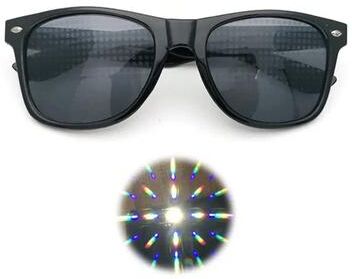
Quick Pick Pro Prism Effect Diffraction Glasses For Raves & Festivals Black Frame Rave Glasses With Light Refraction Lenses Prism Effect Diffraction Glasses For Raves & Festivals Black Frame Rave Glasses With Light Refraction LensesStep into a world where light becomes a living celebration. These Prism Effect diffraction glasses turn every laser, LED and stage light into vibrant, kaleidoscopic visuals that pull you deeper into the moment. Designed for music lovers, festival...41,97 $*Shipping: 0,00 $Secure redirect to the provider
-
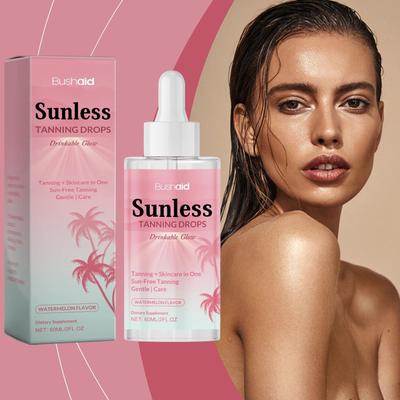
Evolve Beauty Sunless Glow Tanning DropsElevate the daily skincare ritual with Sunless Glow Tanning Drops, a customisable and certified organic solution for achieving a radiant complexion. These drops blend effortlessly into a preferred moisturiser or serum to deliver a buildable, streak-free glow without the need for UV exposure. Using a 100% natural formula of DHA and Erythrulose, this product ensures an even, gradual colour development that remains free from orange tones or unwanted scents.The advanced formula features a multi-active blend of Pentavitin, Maca Root, and Centella Asiatica to hydrate and energise the skin. Pentavitin provides deep hydration for up to 72 hours, while Maca Root Extract is shown to smooth the appearance of fine lines and enhance skin luminosity by up to 25%. Centella Asiatica works alongside these ingredients to calm and strengthen the skin barrier, leaving it soft and supple.Certified COSMOS Organic, vegan, and cruelty-free, these skin-kind drops are suitable for all skin types and have been patch tested on sensitive skin. Simply mix and apply for a sun-kissed complexion that looks healthy and feels deeply hydrated. Use these drops to achieve natural confidence and a beautifully radiant finish every day.Key BenefitsProvides a customizable, streak-free glow with a buildable formula using 100% natural DHA and Erythrulose for an even, natural color without orange tones - Delivers deep, 72-hour hydration and skin-soothing benefits through a multi-active blend of Pentavitin, Maca Root, and Centella Asiatica - Enhances skin luminosity by up to 25% and smooths fine lines while remaining suitable for all skin types, including sensitive skin, with a certified organic and vegan formulaIngredients:Aqua (Water), Dihydroxyacetone, Pentylene Glycol, Erythrulose, Glycerin, Centella Asiatica Leaf Extract, Sodium Hyaluronate, Aloe Barbadensis Leaf Juice Powder*, Lepidium Meyenii Root Extract**, Maltodextrin**, Saccharide Isomerate, Sodium Gluconate, Sodium Citrate, Citric Acid, Xanthan Gum, Caramel. *Ingredients From Organic Farming24,00 £*Shipping: 2,95 £Secure redirect to the provider
-
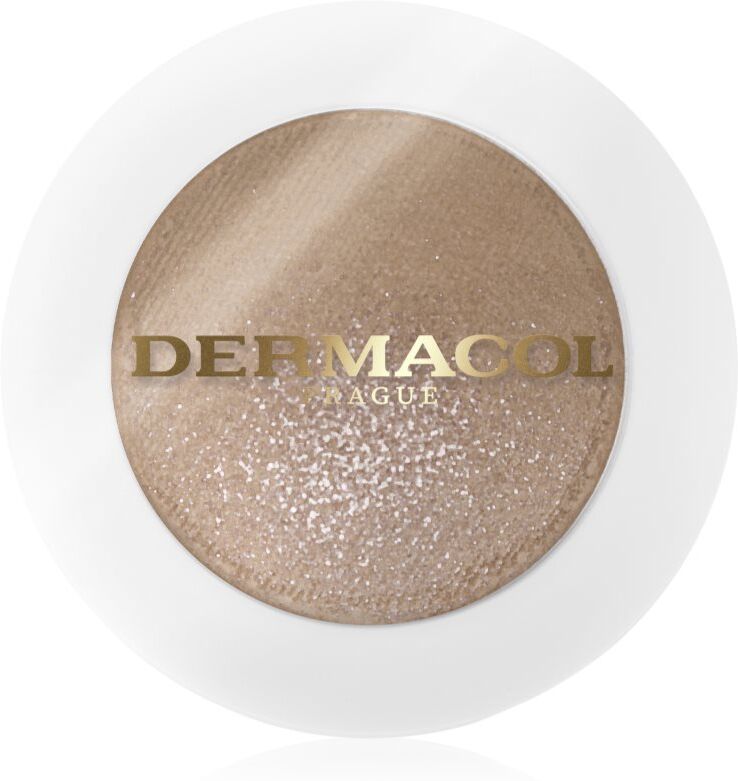
Dermacol Glow Bronzer compact bronzing powder shade 6 DUNE 7.2 gDermacol Glow Bronzer, 7.2 g, Bronzers for Women, Do you want your face to look tan even on days when you’re not spending time outdoors or the sun is still hiding behind the clouds? The Dermacol Glow Bronzer bronzer helps you achieve a tanned, sun-kissed look in the comfort of your own home instantly. It provides a subtle tint, making it easy to create a naturally bronzed look. This bronzer also allows you to highlight your facial contours and enhance the shape of your face. Be a bronze goddess whenever you feel like it. Characteristics: evens skin tone gives your face a fresh and healthy look reduces shine can be layered for a more intense look Ingredients: vegan product shea butter – nourishes, helps retain necessary hydration in skin, adds softness and smoothness, provides protection against drying and harmful external influences How to use: For a tanned look, apply a small amount all over your face. To define the face and emphasise contours, apply along the sides of the forehead, under the cheekbones and to the bottom of the chin and the side of the nose.7,70 £*Shipping: 3,99 £Secure redirect to the provider
-
Uplift Essentials Sun Kissed Glow Tanning Serum Customizable Face & Body Bronzer Sun Kissed Glow Tanning Serum Customizable Face & Body BronzerAchieve a radiant, holidayready complexion with these highperformance Sunless Tanning Drops. Designed as a versatile natural tanner, this concentrated formula allows you to control your bronze by simply mixing a few drops into your favorite daily...57,97 $*Shipping: 0,00 $Secure redirect to the provider

-
What is the angle of refraction in the refraction of light?
The angle of refraction in the refraction of light is the angle between the refracted ray and the normal to the surface at the point of incidence. It is determined by Snell's Law, which states that the ratio of the sine of the angle of incidence to the sine of the angle of refraction is equal to the ratio of the velocities of light in the two media. The angle of refraction can be calculated using the formula: n1*sin(θ1) = n2*sin(θ2), where n1 and n2 are the refractive indices of the two media, and θ1 and θ2 are the angles of incidence and refraction, respectively. **
-
What is refraction in a prism?
Refraction in a prism is the bending of light as it passes through the prism due to the change in speed of light in different mediums. When light enters a prism, it slows down and bends towards the normal line, then as it exits the prism, it speeds up and bends away from the normal line. This bending of light causes the different colors of the spectrum to separate and create a rainbow effect. **
-
What is the law of refraction?
The law of refraction, also known as Snell's law, describes the relationship between the angles of incidence and refraction when a wave, such as light or sound, passes from one medium to another. It states that the ratio of the sine of the angle of incidence to the sine of the angle of refraction is equal to the ratio of the velocities of the wave in the two media. In other words, the law of refraction quantifies how much a wave bends as it passes from one medium to another, such as from air to water or from air to glass. **
-
How does the refraction of light occur?
Refraction of light occurs when light travels from one medium to another with a different optical density, causing the light rays to change direction. This change in direction is due to the difference in speed of light in the two mediums. As light enters a medium with a different optical density, it can either speed up or slow down, causing the light rays to bend. This bending of light is what we observe as refraction. **
How can one construct refraction of light?
One can construct refraction of light by passing light through a medium with a different optical density, such as air to water or glass. The change in optical density causes the light to change speed and bend as it enters the new medium, resulting in refraction. The angle of refraction can be calculated using Snell's Law, which relates the angles of incidence and refraction to the refractive indices of the two mediums. By understanding and manipulating these principles, one can effectively construct and demonstrate refraction of light. **
How is the refraction of light calculated?
The refraction of light is calculated using Snell's Law, which states that the ratio of the sine of the angle of incidence to the sine of the angle of refraction is equal to the ratio of the velocities of light in the two different mediums. This can be expressed as n1*sin(theta1) = n2*sin(theta2), where n1 and n2 are the refractive indices of the two mediums, and theta1 and theta2 are the angles of incidence and refraction, respectively. By knowing the refractive indices of the two mediums and the angle of incidence, one can calculate the angle of refraction using Snell's Law. **
Top-Angebote
Products related to Refraction:
-
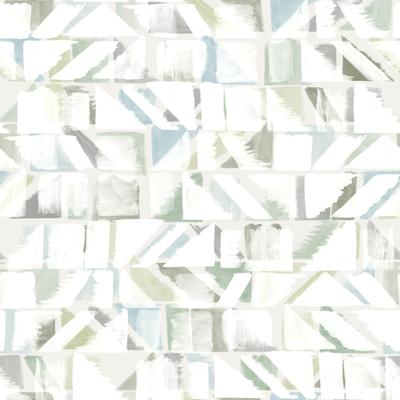
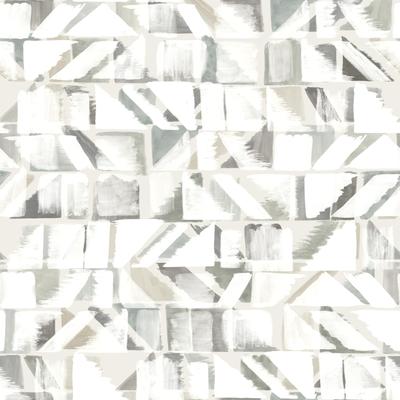
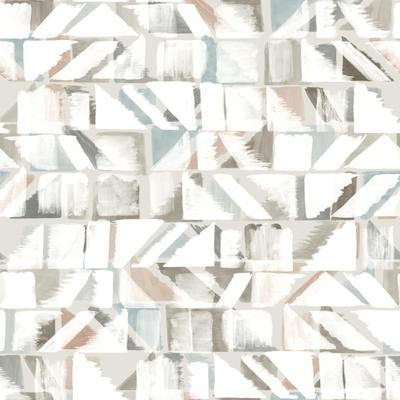
York Wallcoverings Blue Refraction Peel and Stick WallpaperPattern Refraction is a fractured geometric with the effect of a broken prism of reflected light. This Refraction Peel & Stick Wallpaper measures approximately 20.5 inches wide by 20 feet long, covering About 34.2 square feet per roll.47,07 $*Shipping: 0,00 $Secure redirect to the provider
-
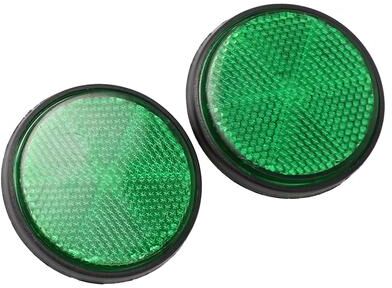
Smart Shopping Spot Motorcycle Night Reflector, Circular Reflector For Cars, Trucks, Refraction Light greenIlluminate Your Ride with the Circular Reflector Ensure safety and visibility during night rides with the Circular Reflector for Cars, Trucks, and Motorcycles. This easytoinstall reflector light ensures you're seen, whether driving a car, truck, or...22,97 $*Shipping: 0,00 $Secure redirect to the provider
-
Quick Pick Pro Prism Effect Diffraction Glasses For Raves & Festivals Black Frame Rave Glasses With Light Refraction Lenses Prism Effect Diffraction Glasses For Raves & Festivals Black Frame Rave Glasses With Light Refraction LensesStep into a world where light becomes a living celebration. These Prism Effect diffraction glasses turn every laser, LED and stage light into vibrant, kaleidoscopic visuals that pull you deeper into the moment. Designed for music lovers, festival...41,97 $*Shipping: 0,00 $Secure redirect to the provider
-
Evolve Beauty Sunless Glow Tanning DropsElevate the daily skincare ritual with Sunless Glow Tanning Drops, a customisable and certified organic solution for achieving a radiant complexion. These drops blend effortlessly into a preferred moisturiser or serum to deliver a buildable, streak-free glow without the need for UV exposure. Using a 100% natural formula of DHA and Erythrulose, this product ensures an even, gradual colour development that remains free from orange tones or unwanted scents.The advanced formula features a multi-active blend of Pentavitin, Maca Root, and Centella Asiatica to hydrate and energise the skin. Pentavitin provides deep hydration for up to 72 hours, while Maca Root Extract is shown to smooth the appearance of fine lines and enhance skin luminosity by up to 25%. Centella Asiatica works alongside these ingredients to calm and strengthen the skin barrier, leaving it soft and supple.Certified COSMOS Organic, vegan, and cruelty-free, these skin-kind drops are suitable for all skin types and have been patch tested on sensitive skin. Simply mix and apply for a sun-kissed complexion that looks healthy and feels deeply hydrated. Use these drops to achieve natural confidence and a beautifully radiant finish every day.Key BenefitsProvides a customizable, streak-free glow with a buildable formula using 100% natural DHA and Erythrulose for an even, natural color without orange tones - Delivers deep, 72-hour hydration and skin-soothing benefits through a multi-active blend of Pentavitin, Maca Root, and Centella Asiatica - Enhances skin luminosity by up to 25% and smooths fine lines while remaining suitable for all skin types, including sensitive skin, with a certified organic and vegan formulaIngredients:Aqua (Water), Dihydroxyacetone, Pentylene Glycol, Erythrulose, Glycerin, Centella Asiatica Leaf Extract, Sodium Hyaluronate, Aloe Barbadensis Leaf Juice Powder*, Lepidium Meyenii Root Extract**, Maltodextrin**, Saccharide Isomerate, Sodium Gluconate, Sodium Citrate, Citric Acid, Xanthan Gum, Caramel. *Ingredients From Organic Farming24,00 £*Shipping: 2,95 £Secure redirect to the provider
-
How do I calculate refraction or the angle of refraction?
To calculate refraction or the angle of refraction, you can use Snell's Law, which relates the angles of incidence and refraction to the refractive indices of the two mediums involved. The formula is n1*sin(theta1) = n2*sin(theta2), where n1 and n2 are the refractive indices of the two mediums, and theta1 and theta2 are the angles of incidence and refraction, respectively. By rearranging this formula, you can solve for the angle of refraction when given the angle of incidence and refractive indices of the mediums. **
-
How do I calculate the refraction or the angle of refraction?
To calculate the angle of refraction, you can use Snell's Law, which states that the ratio of the sine of the angle of incidence to the sine of the angle of refraction is equal to the ratio of the velocities of light in the two different mediums. Mathematically, this can be expressed as n1*sin(theta1) = n2*sin(theta2), where n1 and n2 are the refractive indices of the two mediums, and theta1 and theta2 are the angles of incidence and refraction, respectively. By rearranging this equation, you can solve for the angle of refraction. **
-
What is the angle of refraction in the refraction of light?
The angle of refraction in the refraction of light is the angle between the refracted ray and the normal to the surface at the point of incidence. It is determined by Snell's Law, which states that the ratio of the sine of the angle of incidence to the sine of the angle of refraction is equal to the ratio of the velocities of light in the two media. The angle of refraction can be calculated using the formula: n1*sin(θ1) = n2*sin(θ2), where n1 and n2 are the refractive indices of the two media, and θ1 and θ2 are the angles of incidence and refraction, respectively. **
-
What is refraction in a prism?
Refraction in a prism is the bending of light as it passes through the prism due to the change in speed of light in different mediums. When light enters a prism, it slows down and bends towards the normal line, then as it exits the prism, it speeds up and bends away from the normal line. This bending of light causes the different colors of the spectrum to separate and create a rainbow effect. **
Similar search terms for Refraction
-
Dermacol Glow Bronzer compact bronzing powder shade 6 DUNE 7.2 gDermacol Glow Bronzer, 7.2 g, Bronzers for Women, Do you want your face to look tan even on days when you’re not spending time outdoors or the sun is still hiding behind the clouds? The Dermacol Glow Bronzer bronzer helps you achieve a tanned, sun-kissed look in the comfort of your own home instantly. It provides a subtle tint, making it easy to create a naturally bronzed look. This bronzer also allows you to highlight your facial contours and enhance the shape of your face. Be a bronze goddess whenever you feel like it. Characteristics: evens skin tone gives your face a fresh and healthy look reduces shine can be layered for a more intense look Ingredients: vegan product shea butter – nourishes, helps retain necessary hydration in skin, adds softness and smoothness, provides protection against drying and harmful external influences How to use: For a tanned look, apply a small amount all over your face. To define the face and emphasise contours, apply along the sides of the forehead, under the cheekbones and to the bottom of the chin and the side of the nose.7,70 £*Shipping: 3,99 £Secure redirect to the provider
-
Uplift Essentials Sun Kissed Glow Tanning Serum Customizable Face & Body Bronzer Sun Kissed Glow Tanning Serum Customizable Face & Body BronzerAchieve a radiant, holidayready complexion with these highperformance Sunless Tanning Drops. Designed as a versatile natural tanner, this concentrated formula allows you to control your bronze by simply mixing a few drops into your favorite daily...57,97 $*Shipping: 0,00 $Secure redirect to the provider
-
York Wallcoverings Neutral Refraction Peel and Stick WallpaperPattern Refraction is a fractured geometric with the effect of a broken prism of reflected light. This Refraction Peel & Stick Wallpaper measures approximately 20.5 inches wide by 20 feet long, covering About 34.2 square feet per roll.55,25 $*Shipping: 0,00 $Secure redirect to the provider
-
York Wallcoverings Brown and Beige Refraction Peel and Stick WallpaperPattern Refraction is a fractured geometric with the effect of a broken prism of reflected light. This Refraction Peel & Stick Wallpaper measures approximately 20.5 inches wide by 20 feet long, covering About 34.2 square feet per roll.40,80 $*Shipping: 0,00 $Secure redirect to the provider
-
What is the law of refraction?
The law of refraction, also known as Snell's law, describes the relationship between the angles of incidence and refraction when a wave, such as light or sound, passes from one medium to another. It states that the ratio of the sine of the angle of incidence to the sine of the angle of refraction is equal to the ratio of the velocities of the wave in the two media. In other words, the law of refraction quantifies how much a wave bends as it passes from one medium to another, such as from air to water or from air to glass. **
-
How does the refraction of light occur?
Refraction of light occurs when light travels from one medium to another with a different optical density, causing the light rays to change direction. This change in direction is due to the difference in speed of light in the two mediums. As light enters a medium with a different optical density, it can either speed up or slow down, causing the light rays to bend. This bending of light is what we observe as refraction. **
-
How can one construct refraction of light?
One can construct refraction of light by passing light through a medium with a different optical density, such as air to water or glass. The change in optical density causes the light to change speed and bend as it enters the new medium, resulting in refraction. The angle of refraction can be calculated using Snell's Law, which relates the angles of incidence and refraction to the refractive indices of the two mediums. By understanding and manipulating these principles, one can effectively construct and demonstrate refraction of light. **
-
How is the refraction of light calculated?
The refraction of light is calculated using Snell's Law, which states that the ratio of the sine of the angle of incidence to the sine of the angle of refraction is equal to the ratio of the velocities of light in the two different mediums. This can be expressed as n1*sin(theta1) = n2*sin(theta2), where n1 and n2 are the refractive indices of the two mediums, and theta1 and theta2 are the angles of incidence and refraction, respectively. By knowing the refractive indices of the two mediums and the angle of incidence, one can calculate the angle of refraction using Snell's Law. **
* All prices are inclusive of VAT and, if applicable, plus shipping costs. The offer information is based on the details provided by the respective shop and is updated through automated processes. Real-time updates do not occur, so deviations can occur in individual cases. ** Note: Parts of this content were created by AI.